

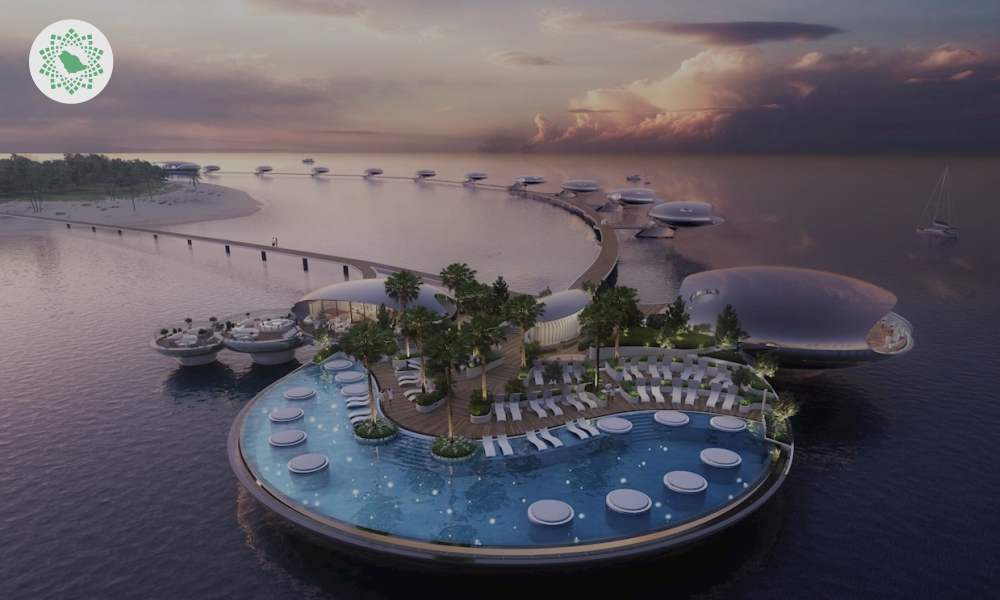
The future of tourism and hospitality leverages connectivity while providing an unmatched guest experience from the moment the guest reaches the destination. In alignment with the Kingdom of Saudi Arabia’s Vision 2030 initiatives, the Red Sea Project (RSP) is reshaping the international luxury tourism experience by accommodating technology and an unmatched dedication to sustainability and conservation. This program focuses on a robust, digitally sound ecosystem that integrates advanced technologies such as artificial intelligence (AI), IoT, data analytics, etc. Deploying these technologies only elevates the customer experience.
Embracing Digital Transformation
At the core of the Red Sea Coastal Project’s strategy is digital transformation. From the planning phase to operations, technology plays a pivotal role in enhancing efficiency and sustainability. Advanced data analytics help manage resources like energy and water efficiently, ensuring minimal environmental impact. Smart sensors monitor ecosystems, while AI-driven systems optimize energy usage in hotels and resorts. This integration of technology guarantees that the luxury experience does not come at the cost of the environment.
Additionally, the project employs cutting-edge platforms for visitor management. Mobile apps provide real-time information about resort availability, activities, and local attractions. Interactive kiosks guide guests through destinations while offering personalized suggestions based on preferences. These digital tools enhance convenience and ensure a seamless, customized experience for every visitor.
Smart Infrastructure for Modern Tourism
The Red Sea Project incorporates smart infrastructure that makes it a model for future tourism developments. Roads, airports, and ports are designed with intelligent systems to monitor traffic flow, reduce congestion, and ensure safety. Hotels and resorts utilize IoT-enabled devices, automating climate control, lighting, and security for both energy efficiency and guest comfort.
Sustainability is integrated into the smart infrastructure, with renewable energy sources powering most facilities. Solar panels, energy-efficient buildings, and waste management systems highlight the commitment to reducing the carbon footprint. By leveraging smart infrastructure, the Red Sea Development demonstrates how technology can elevate luxury tourism while maintaining environmental responsibility.
Enhancing Visitor Experiences with Innovation
Technology also plays a critical role in elevating the tourism experience. Augmented reality (AR) and virtual reality (VR) are used to create immersive experiences for visitors. Guests can explore coral reefs, marine life, and desert landscapes virtually before planning excursions, making it easier to design personalized itineraries.
Interactive guides, AI-powered concierge services, and automated booking systems streamline the guest journey from arrival to departure. By integrating technology into daily operations, the Red Sea Project ensures a high level of service and a truly innovative travel experience.
Supporting Sustainable Tourism
Beyond convenience and luxury, technology in the Red Sea Hub ensures sustainable tourism practices. Environmental monitoring systems track the impact of human activities on marine and terrestrial ecosystems. Data collected from sensors informs conservation strategies, helping protect endangered species and fragile habitats. Smart water management systems reduce wastage, and renewable energy solutions minimize reliance on non-renewable resources.
This approach aligns with Saudi Arabia’s Vision 2030, which emphasizes sustainable development and economic diversification. By embedding technology into sustainability initiatives, the Red Sea Tourism Development demonstrates that smart tourism can harmonize luxury, innovation, and environmental stewardship.
Economic and Social Impact
The Red Sea Hub’s technological edge also contributes to economic and social development. Automation and smart management systems create efficient operations while generating employment opportunities in tech, hospitality, and environmental sectors. Local communities benefit through skill development programs and involvement in tourism-related activities. By fostering innovation and providing sustainable job opportunities, the project supports both economic growth and social well-being.
Moreover, the adoption of advanced technologies attracts international investors and visitors, positioning Saudi Arabia as a forward-thinking tourism hub. By showcasing how technology can enhance the travel experience while protecting natural resources, the Red Sea Resort establishes the Kingdom as a leader in smart tourism on the global stage.
Conclusion
As the Red Sea Project continues to expand, the integration of technology will remain a central focus. Future plans include AI-driven transportation systems, fully automated resorts, and advanced visitor analytics to continuously improve services. The project’s commitment to innovation ensures that it will remain a model for sustainable, technologically advanced tourism worldwide.
The Red Sea Mega Project exemplifies how technology can revolutionize tourism. By combining smart infrastructure, digital transformation, and sustainability, it creates a seamless, innovative, and environmentally responsible visitor experience. With its focus on luxury, conservation, and cutting-edge technology, the Red Sea Project is setting new standards for tourism not only in Saudi Arabia but across the globe.