
For decades, the dream of building a manufacturing business in Saudi Arabia was often met with a formidable hurdle: securing industrial land. The process was slow, complex, and heavily favored large, established corporations that could absorb long waiting times and substantial capital outlay. This reality often stalls the ambition of Saudi startups and Small and Medium Enterprises (SMEs), which are the true engines of innovation and job creation.
Today, that landscape is fundamentally different. The Saudi Industrial Property Authority (MODON), recognizing its vital role in achieving the goals of Vision 2030, has executed a strategic overhaul of its land allocation rules. This transformation isn’t just bureaucratic window dressing; it’s a deliberate economic maneuver designed to lower barriers, accelerate market entry, and directly inject vitality into the SME sector. The changes have effectively turned factory city’s industrial cities into launchpads for small businesses.
Priority Access: No More Waiting in Line
The most critical bottleneck for a startup is time. Every month spent waiting for land is a month of lost revenue and wasted capital. The new allocation rules directly tackle this by prioritizing SMEs.
Previously, all applications were treated almost equally, forcing small, nimble companies to compete for attention and resources alongside multinational giants. Now, industrial zones have created expedited tracks specifically for projects below a certain size threshold. This means a qualifying Saudi startup focusing on niche manufacturing or specialized logistics can secure a plot and begin construction far faster than ever before. This rapid deployment capability is essential for SMEs to quickly scale and capitalize on emerging market demand, such as that created by the massive Giga-projects
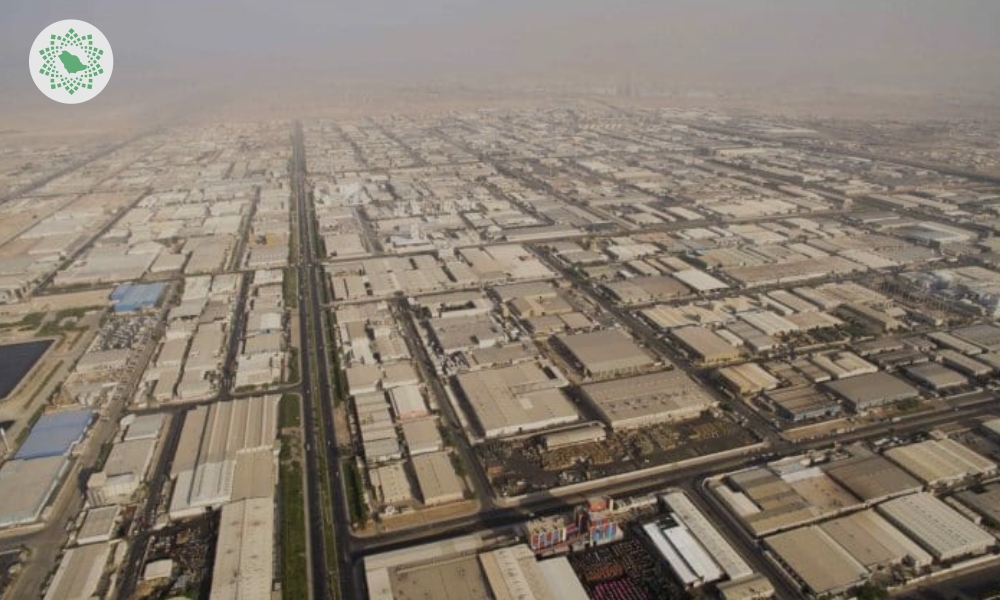
Furthermore, the industrial zone has mandated that a specific percentage of land within new and expanding industrial cities (like Sudair or Dammam 3) must be reserved for smaller entities. This ensures that SMEs are not relegated to older, less strategically located zones but are integrated into the Kingdom’s most technologically advanced industrial parks.
Financial Relief: Switching Capital from Land to Growth
The most significant financial barrier for an early-stage company is the up-front capital required for land acquisition and long-term lease payments. MODON has introduced flexible financial packages that fundamentally change the unit economics for SMEs:
- Reduced Up-Front Costs: The authority now offers significantly lower initial security deposits and application fees for smaller industrial plots. This frees up precious seed capital, allowing the startup to channel funds directly into what truly matters: purchasing machinery, hiring specialized talent, and R&D.
- Tiered Rental Structures: Instead of applying a flat, high rental rate, factory cities have implemented tiered or stepped payment schedules. These structures allow a company to pay lower rates during its initial operational years (the critical “survival” phase) and gradually scale up payments as the business matures and revenue stabilizes. This flexibility provides a much-needed financial cushion against early market volatility.
This financial ingenuity means a Saudi entrepreneur can launch a factory with a fraction of the capital previously required, dramatically improving the bankability of their business plan and making it more attractive to local venture capital and bank financing.
Value-Added Ecosystem: Beyond the Plot of Land
The benefits extend far beyond the lease agreement. The new rules are integrated with MODON’s strategic goal of fostering a complete industrial ecosystem:
Ready-Built Factories (RBFs): Recognizing that not all SMEs have the resources to custom-build, these industrial parks have expanded their program of Ready-Built Factories. These standardized, pre-fitted industrial units offer immediate occupancy, drastically cutting construction time (and risk) to mere weeks. This is the ultimate “plug-and-play” solution for light manufacturing and assembly startups.
Integrated Services: The modern industrial cities are designed with integrated labor housing, centralized utility provision, and streamlined logistics services. By providing these essential services centrally, the economic zones take the operational headache away from the SME owner, allowing them to focus purely on production and innovation. An entrepreneur no longer needs to worry about securing separate approvals for housing or waste management; it’s all part of the industrial city package.
These integrated services reduce the non-core operating costs and complexity that often overwhelm small management teams. By creating an environment where the administrative burden is low, the manufacturing hub ensures that the agility of the startup is not lost to bureaucratic friction.
Conclusion
In essence, the revised land allocation rules are a powerful statement of commitment to the Saudi private sector. By offering priority access, financial flexibility, and a streamlined ecosystem, MODON is actively dismantling old barriers and creating a fertile environment where innovative, small-scale industrial ideas can quickly take root, scale, and contribute meaningfully to the Kingdom’s diversified economic future.