

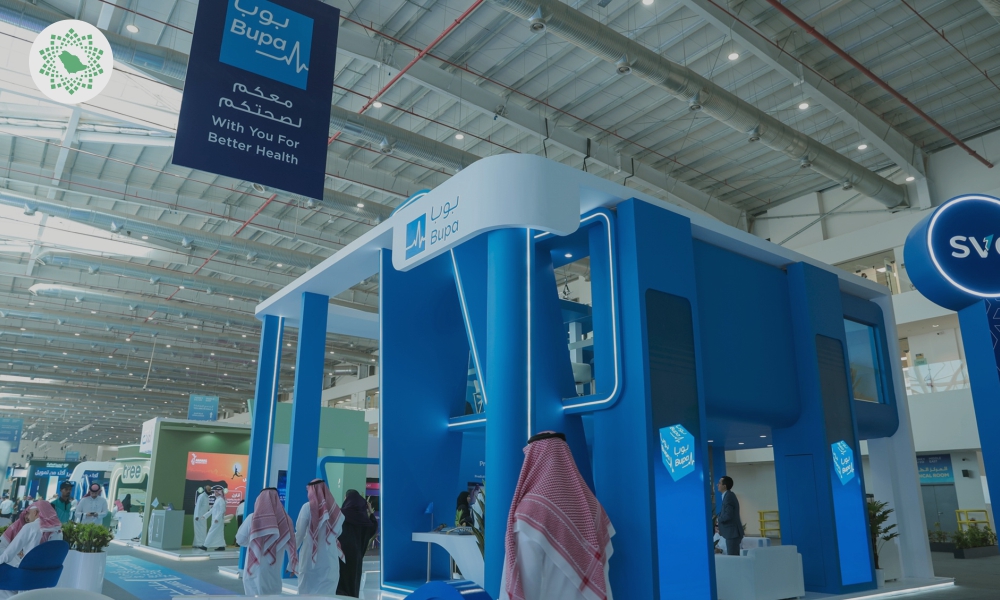
Saudi Arabia’s Vision 2030 is reshaping the nation’s healthcare landscape with a bold focus on access, quality, preventive care, and digital excellence. As the Kingdom accelerates its transition from a treatment-centric model to a preventive and patient-first system, the role of private-sector health partners has become more pivotal than ever. Among the organisations contributing meaningfully to this national movement is Bupa Arabia, bringing a blend of global experience, local insight, and innovation-driven healthcare solutions.
The Kingdom’s healthcare transformation is not simply about expanding hospitals or increasing medical capacity. The 2030 initiative pushes for something more foundational, empowering individuals to take ownership of their well-being, enhancing health literacy, enabling digital care delivery, and building sustainable systems that prevent illness before it arises. This requires a partner ecosystem capable of supporting government priorities while anticipating the future needs of a young, ambitious, highly connected population.
Championing Digital Health as a National Imperative
One of the most visible shifts in Saudi Arabia’s healthcare environment is the acceleration of digital adoption. Citizens and residents now expect medical support to be accessible anytime, anywhere, mirroring the convenience they enjoy in banking, retail, and other digital-first sectors.
Here, Bupa Arabia has played a strong enabling role by introducing platforms and services designed for the modern Saudi consumer. From virtual doctor consultations to AI-supported health guidance and app-based claims management, the organization has contributed to reducing friction across the patient journey. This aligns tightly with Vision 2030’s commitment to digital transformation, which aims to elevate healthcare delivery through seamless, integrated, and intelligent digital experiences.
The rise of telemedicine is especially significant for Saudi Arabia’s growing population outside major metros. By making healthcare mobile and reachable, private-sector partners help bridge accessibility gaps while reducing pressure on physical clinics and hospitals.
A System Shift Toward Preventive Care
The 2030 initiative places a high emphasis on shifting the national mindset from reactive to preventive health. This cultural transition, encouraging people to prioritise wellness, early detection, and healthier living, is foundational to long-term sustainability.
The organization has supported this shift by integrating preventive health programmes into its service offerings. Health assessments, wellness coaching, chronic disease management, and home-care support have helped bring preventive care closer to families and workforces. These services not only contribute to healthier lifestyles but also minimise long-term healthcare costs, an essential Vision 2030 objective.
Corporate well-being programmes, in particular, have gained traction within the Kingdom’s thriving business ecosystem. Organisations increasingly recognise that a motivated, healthy workforce drives productivity and economic progress. By rolling out structured wellness activities, education campaigns, and personalised interventions, the private sector helps foster a preventive culture at scale.
Enhancing Quality Through Data and Innovation
Another key pillar of Vision 2030’s health strategy revolves around improving quality, patient safety, and evidence-based medical practices. Data sits at the centre of this goal. The more information health organisations can generate and utilise, the better the clinical decision-making, patient tracking, and overall service standards become.
Through data-driven approaches to customer care, Bupa Arabia and organisations like it have helped elevate clinical and operational quality. Whether through analytics that predict patient needs, systems that enhance claims transparency, or digital pathways that ensure care continuity, intelligent data use directly supports the Kingdom’s push toward world-class healthcare outcomes.
Moreover, innovation in insurance services such as automated authorisations, frictionless reimbursements, and personalised health insights has improved the efficiency of healthcare interactions for millions of residents. These improvements contribute to Vision 2030’s broader ambition of building a health system that is not only modern but globally competitive.
Supporting National Economic Goals Through Private-Sector Empowerment
Vision 2030 emphasises the importance of public–private partnerships in healthcare growth. By encouraging private-sector participation, the Kingdom aims to diversify healthcare offerings, create jobs, and ensure sustainability beyond government funding alone.
Organisations like these play a key role here by strengthening the private insurance landscape, supporting local talent development, and investing in advanced health technologies. These contributions reinforce economic diversification, one of the most critical Vision 2030 objectives.
Additionally, as healthcare services modernise, the demand for skilled professionals in digital health, clinical support, analytics, and medical service design continues to grow. The private sector’s investment in training and capability-building helps close these skill gaps, empowering the next generation of Saudi healthcare leaders.
Empowering Families Through Accessible, Compassionate Care
While technology and infrastructure are essential, true transformation lies in improving everyday experiences for patients, families, and caregivers. The initiative’s health goals are ultimately centred around people, ensuring that every resident feels supported, informed, and confident in their healthcare journey.
By focusing on customer-centric services, multilingual support, expanded care networks, and compassionate engagement, health partners contribute to a more humane and trust-driven system. This aligns with the aspirations of Saudi society, where dignity, reliability, and well-being hold deep cultural significance.
For families navigating chronic conditions, maternity journeys, or elderly care, consistent support can make a meaningful difference. The private sector’s innovations enhance not only medical outcomes but also quality of life.
Conclusion
Saudi Arabia is entering a defining decade in its healthcare evolution. Vision 2030 provides the roadmap for a clear, ambitious, future focused vision. Delivering on this vision requires strong collaboration among government bodies, private providers, insurers, healthcare professionals, and the broader community.
As partners like Bupa Arabia continue investing in digital health, preventive care, data intelligence, and consumer-centric experiences, they reinforce a shared commitment to building a healthier, more empowered Saudi Arabia.
The Kingdom’s healthcare transformation is not just a national agenda; it is a collective promise to future generations. And through the collaboration of forward-looking private organisations and continuous public-sector innovation, that promise is steadily becoming a reality.